Coin & Stamp Valuation: A Complete Guide to Determining the True Value of Collectibles
Coins and stamps are more than just small pieces of metal or paper—they are valuable historical artifacts that reflect the economic, cultural, and political history of nations. Collecting and studying these items is known as Numismatics (the study of coins and currency) and Philately (the study of stamps).
One of the most important aspects of collecting is coin and stamp valuation, which determines the real market value of these collectibles. Whether you are a beginner collector or an experienced enthusiast, understanding how coins and stamps are valued can help you protect your collection and make informed buying or selling decisions.
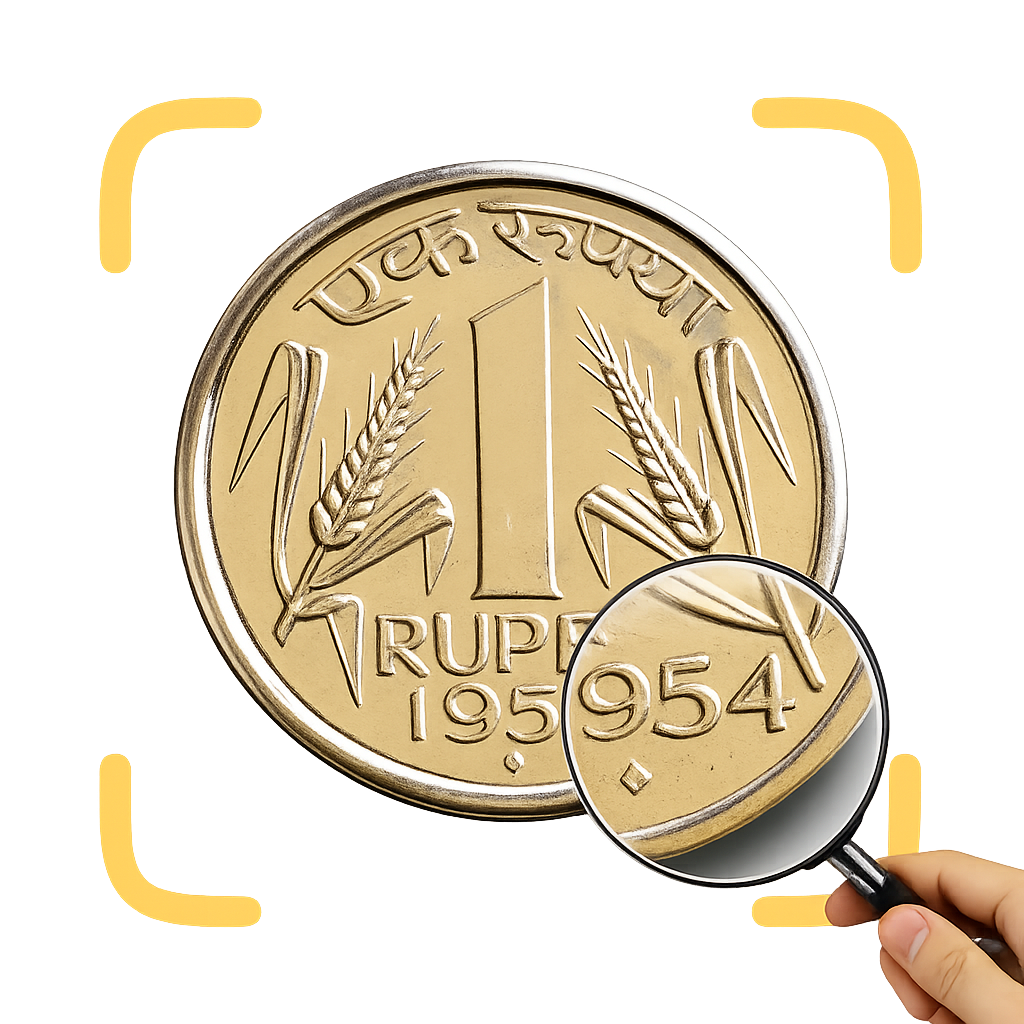
What is Coin and Stamp Valuation?
Coin and stamp valuation is the professional process of determining the authenticity, rarity, condition, and market
value of collectible coins, currency notes, and postage stamps. The value of a collectible is not determined only by
age; several factors influence how much collectors are willing to pay for it.
Many people believe that old coins or stamps automatically have high value, but in reality, the rarity,
preservation, and collector demand play a much bigger role in determining the actual price.
Importance of Professional Coin & Stamp Valuation
Professional valuation is essential for collectors, investors, and families who inherit old collections. Without expert analysis, it is easy to underestimate or overestimate the value of an item.
A professional valuation helps in:
- Identifying rare and historically important coins
- Detecting counterfeit or altered items
- Understanding the current market price
- Preserving the historical significance of collectibles
- Helping collectors make informed buying or selling decisions
Expert valuation also ensures transparency in auctions, sales, and private collections.
Factors That Determine the Value of Coins
Several key elements determine the value of a coin. Professional numismatists carefully examine each factor before assigning a value.
1. Rarity
Rarity is one of the most significant factors in coin valuation. Coins minted in limited numbers or those with few surviving examples are highly sought after by collectors.
For example, coins issued by historical kingdoms or limited mintages from colonial periods often command high prices in the collector market.
2. Condition or Coin Grade
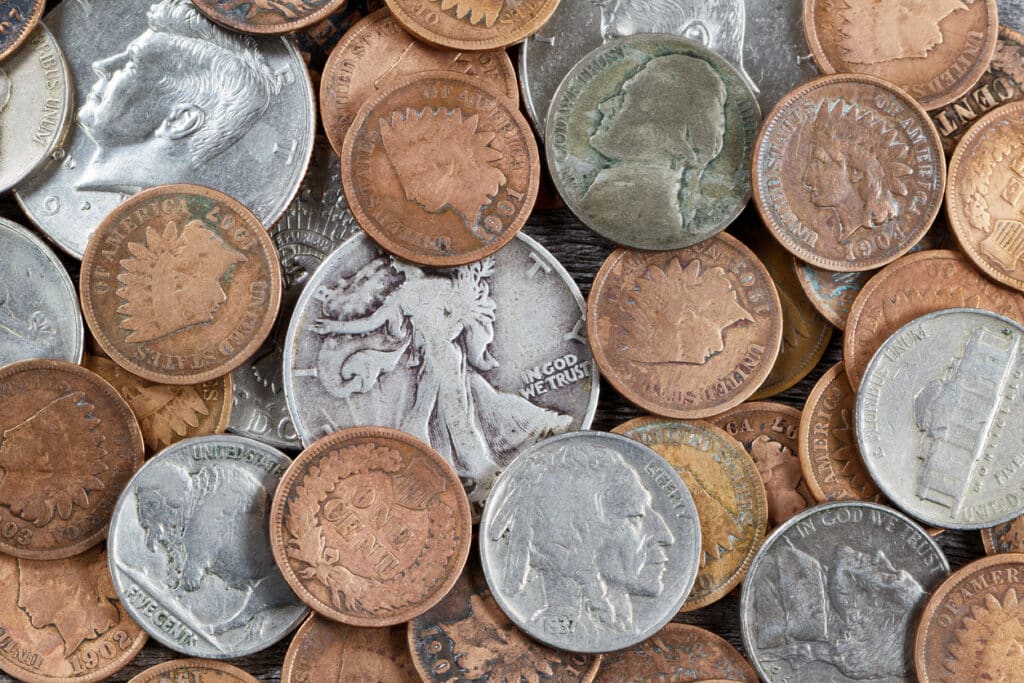
Coin grading evaluates the condition of a coin. Coins are graded on a scale ranging from Poor to Uncirculated.
Coins that retain sharp details, original luster, and minimal wear generally have much higher value than heavily circulated coins.
3. Historical Significance
Coins associated with important historical periods, rulers, or events often attract strong collector interest.
For instance, coins from ancient kingdoms, princely states, or colonial periods can provide valuable insights into historical trade, governance, and culture.
4. Metal Composition
Coins made of precious metals such as gold or silver have intrinsic value due to their metal content. However, the collectible value often exceeds the metal value if the coin is rare.
5. Demand in the Collector Market
Market demand plays a crucial role in determining value. Coins from popular collecting categories—such as colonial issues or regional historical coins—often see higher demand.
Factors That Determine the Value of Stamps
Like coins, stamps also have several characteristics that determine their value in the collector market.
1. Condition
The condition of a stamp is extremely important. Stamps that are clean, undamaged, and well preserved are significantly more valuable.
Common condition problems include:
- * Tears or creases
- * Fading
- * Missing perforations
- * Heavy cancellations
2. Centering and Margins
A well-centered stamp with balanced margins is considered more desirable. Poor centering can significantly reduce value.
3. Printing Errors
Printing errors are among the most valuable discoveries in philately. Misprints, inverted designs, or color variations can make a stamp extremely rare.4. Age and Scarcity
Older stamps, especially those issued in the 19th and early 20th centuries, often attract collector interest if they are scarce.
Coin and Stamp Valuation in India
India has a rich numismatic and philatelic heritage, spanning ancient kingdoms, medieval dynasties, colonial rule, and modern republic issues.
Historical Periods of Interest
Collectors often seek coins from various historical periods such as:
- Ancient Indian kingdoms
- Medieval regional dynasties
- Colonial coinage under the British India
- Modern issues of the India
Similarly, Indian postage stamps issued during the colonial and post-independence periods are highly collectible among philatelists.
Why Expert Coin Identification is Important
With the rise of artificial intelligence and mobile applications, many collectors try to identify coins or stamps using automated tools. While these technologies can provide basic information, they often lack the accuracy required for rare collectibles.
Expertise in Coin and Stamp Identification
An experienced numismatic or philatelic expert can:
- Identify rare varieties and mint marks
- Detect counterfeit or altered items
- Analyze historical minting techniques
- Provide accurate market valuation
Human expertise remains essential because subtle details—such as die varieties, watermark differences, or historical context—are often missed by automated systems.
Tips for Preserving Coins and Stamps
Proper preservation helps maintain the value of collectible items.
For Coins
- * Store coins in protective holders or capsules
- * Avoid touching coins with bare hands
- * Keep coins in dry, temperature-controlled environments
For Stamps
- * Use stamp albums or protective sleeves
- * Avoid exposure to moisture and sunlight
- * Handle stamps with stamp tweezers instead of fingers
Proper storage prevents damage and preserves the collectible value of these historical artifacts.
The Growing Interest in Numismatics and Philately
In recent years, coin and stamp collecting has gained renewed interest among collectors, researchers, and investors. Online platforms, auctions, and digital marketplaces have made it easier to discover rare items and connect with collectors around the world.
Collectors today are particularly interested in:
- Historical coins from regional kingdoms
- Colonial period coinage and stamps
- Error coins and printing varieties
- Commemorative issues
These collectibles are valued not only for their monetary worth but also for the stories they tell about history.
Conclusion
Coin and stamp valuation is a specialized field that combines historical research, technical knowledge, and market understanding. The value of a coin or stamp depends on multiple factors, including rarity, condition, historical importance, and collector demand.
For collectors, professional valuation plays a vital role in identifying rare items, preventing fraud, and understanding the true worth of their collections.
Ultimately, coins and stamps are more than collectibles—they are tangible connections to history. Through careful research, preservation, and expert valuation, these small artifacts continue to preserve the legacy of past civilizations for future generations.